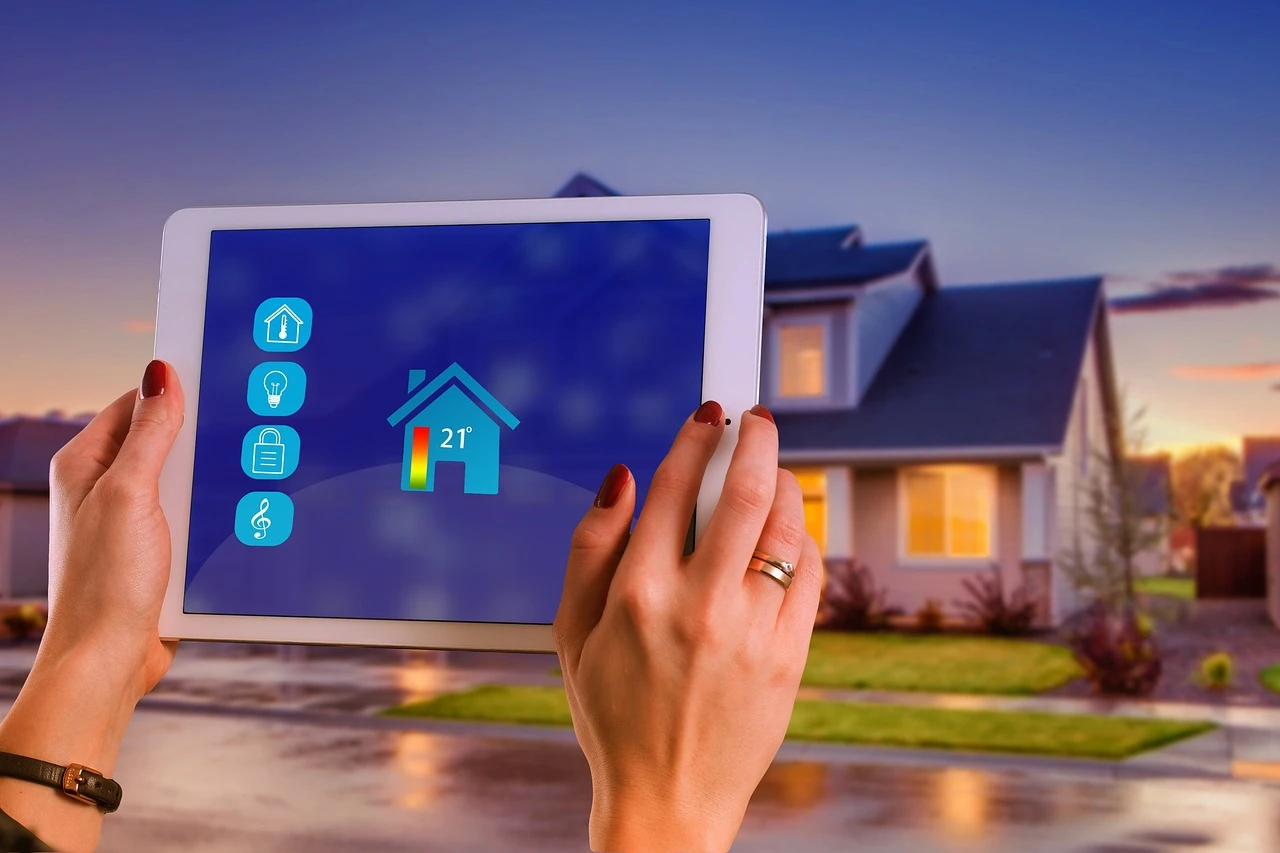
Optimizing your smart TV settings is key to achieving the best possible viewing experience. By adjusting various settings, you can enhance picture quality, sound, and overall performance. Here’s a step-by-step guide to help you make the most out of your smart TV.
Adjust Picture Settings
The picture quality of your smart TV can greatly influence your viewing experience. Start by selecting the right picture mode for your environment. Common modes include Standard, Movie, and Vivid, each designed for different lighting conditions. For a more personalized setup, manually adjust settings such as brightness, contrast, sharpness, and color. Many smart TVs also offer advanced options like backlight control, dynamic contrast, and color temperature, which you can fine-tune to suit your preferences and room lighting.
Optimize Sound Settings
Sound quality is just as important as picture quality. Navigate to your TV’s audio settings to enhance the sound experience. You might find options to adjust the equalizer settings, which allow you to tailor the audio frequencies to better suit different types of content, such as movies or music. Look for settings related to surround sound or virtual audio enhancements, which can create a more immersive listening experience. If you’re using external speakers or a soundbar, make sure to configure them in the audio settings for optimal sound performance.
Configure Energy Saving Options
Energy-saving settings can help reduce power consumption but may impact picture quality. Explore options like automatic brightness adjustment or screen dimming, which adapt the TV’s performance based on ambient light or inactivity. While these features help conserve energy, they may affect your viewing experience. Adjust these settings to balance energy efficiency with visual quality according to your viewing habits.
Smart TVs often come with content-specific modes designed to enhance the viewing experience for different types of media. These modes might include settings optimized for watching movies, sports, or playing games. Selecting the appropriate mode can improve picture and sound quality based on the type of content you’re viewing. Experiment with these modes to find the best one for your preferred content.
Calibrate Your TV

For the highest picture accuracy, consider calibrating your TV. While professional calibration provides the most precise results, many smart TVs include built-in calibration tools or presets that can help you adjust settings to industry standards. Follow the on-screen instructions or use online calibration guides to manually set up your TV’s picture quality for the best results.
Explore the smart features of your TV to further enhance your viewing experience. Features such as picture-in-picture, app integration, and voice control can add convenience and functionality. Adjust settings related to these features to make it easier to multitask, access content, and control your TV with voice commands or a smartphone app.
By adjusting and optimizing your smart TV’s picture and sound settings, configuring energy-saving options, setting up content-specific modes, calibrating the TV, and utilizing smart features, you can greatly improve your viewing experience. Take the time to explore these settings and tailor them to your preferences for the best possible entertainment experience.
Leave a Reply