Introduction
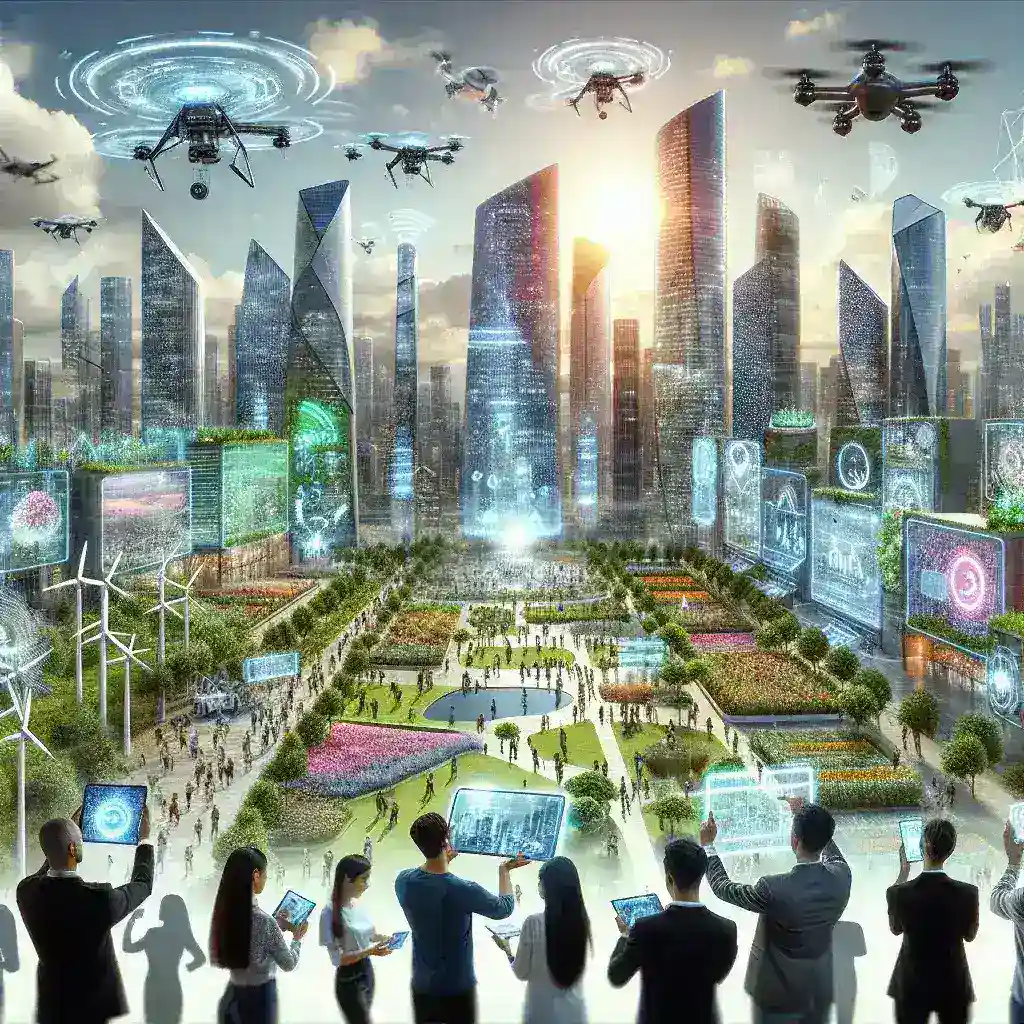
The landscape of technology and innovation is ever-evolving, paving the way for advancements that redefine how we live, work, and interact. This article delves into significant innovations and future trends that are expected to shape various industries in the coming years.
Key Innovations to Watch
1. Artificial Intelligence (AI)
AI is transforming industries by enabling machines to perform tasks that typically require human intelligence. From healthcare diagnostics to customer service chatbots, AI applications are growing rapidly. The future will likely see:
- Enhanced Personalization: AI will analyze user data to provide tailored experiences in e-commerce and entertainment.
- Automated Workflows: Improved productivity as AI takes over repetitive tasks.
2. Renewable Energy Technologies
As climate change becomes an increasingly pressing issue, renewable energy innovations are crucial for a sustainable future. Notable trends include:
- Solar Panel Advancements: Development of more efficient and affordable solar panels.
- Energy Storage Solutions: Improved battery technologies that allow for better storage of clean energy.
3. Biotechnology
Biotechnology is at the forefront of medical innovation, promising breakthroughs in treatments and therapies. Key areas of growth include:
- Gene Editing: CRISPR and other gene-editing technologies are revolutionizing treatments for genetic disorders.
- Personalized Medicine: Tailoring healthcare solutions based on individual genetic profiles.
Emerging Trends
1. Remote Work Technologies
The COVID-19 pandemic has accelerated the acceptance of remote work. Future trends in this area include:
- Virtual Reality (VR) Workspaces: Enhanced collaborative tools that create immersive work experiences.
- Asynchronous Communication Tools: Platforms that facilitate communication across different time zones.
2. The Internet of Things (IoT)
The IoT ecosystem is expanding, connecting devices and enabling smarter living. Future trends are likely to focus on:
- Smart Homes: Increased integration of IoT devices for energy efficiency and security.
- Industrial IoT: Advancements in manufacturing through real-time monitoring and predictive analytics.
3. Blockchain Technology
While primarily known for its role in cryptocurrency, blockchain has far-reaching applications beyond finance. Future trends include:
- Supply Chain Transparency: Enhancing traceability of products for ethical consumption.
- Smart Contracts: Automating agreements and reducing the need for intermediaries.
Conclusion
The innovations and trends discussed are just the tip of the iceberg in a rapidly changing world. Staying informed and adaptable is crucial for individuals and businesses looking to thrive in this dynamic environment. Embracing these advancements will not only enhance productivity but also contribute to a more sustainable and connected future.
Leave a Reply